
Case Management for Adults with Spinal Cord Injury
Supporting recovery, independence, and quality of life after spinal cord injury
A spinal cord injury (SCI) can profoundly impact every aspect of a person’s life — from physical function and mobility to emotional wellbeing, social participation, and future planning. At Summit Case Management, we provide specialist support for adults living with SCI to help them navigate the complex journey of recovery and adaptation.
Our experienced case managers coordinate multidisciplinary care, rehabilitation, equipment provision, and psychosocial support, working closely with clients, families, and professionals to promote the best possible outcomes.
Understanding Spinal Cord Injury
SCI occurs when the spinal cord is damaged due to trauma (such as accidents, falls, or violence), illness, or disease, resulting in loss of motor function, sensation, or autonomic control below the level of injury. The level and severity of injury vary widely, affecting individual needs and recovery potential.
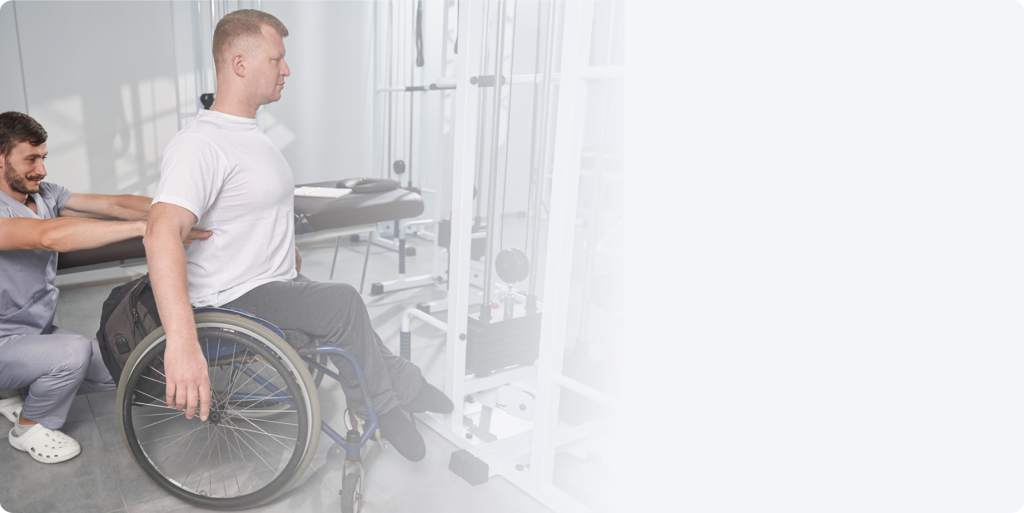
Case Management for Adults with Spinal Cord Injury
Supporting recovery, independence, and quality of life after spinal cord injury
A spinal cord injury (SCI) can profoundly impact every aspect of a person’s life — from physical function and mobility to emotional wellbeing, social participation, and future planning. At Summit Case Management, we provide specialist support for adults living with SCI to help them navigate the complex journey of recovery and adaptation.
Our experienced case managers coordinate multidisciplinary care, rehabilitation, equipment provision, and psychosocial support, working closely with clients, families, and professionals to promote the best possible outcomes.
Understanding Spinal Cord Injury
SCI occurs when the spinal cord is damaged due to trauma (such as accidents, falls, or violence), illness, or disease, resulting in loss of motor function, sensation, or autonomic control below the level of injury. The level and severity of injury vary widely, affecting individual needs and recovery potential.
Our Approach to SCI Case Management
We provide a holistic, person-centred service tailored to each client’s unique situation. Our goal is to enhance independence, improve quality of life, and support long-term health and wellbeing.
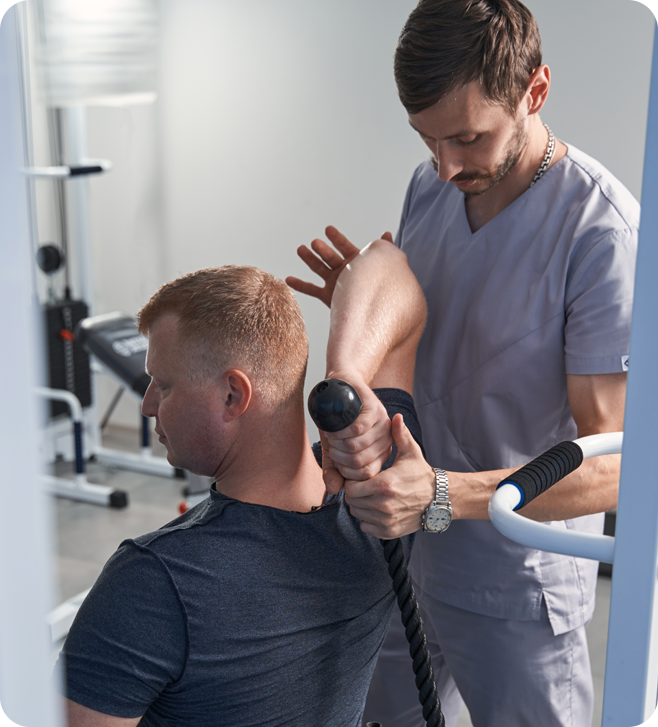
We assist clients through:
- Comprehensive assessments of physical, emotional, social, and environmental needs
- Coordination of rehabilitation therapies including physiotherapy, occupational therapy, and nursing care
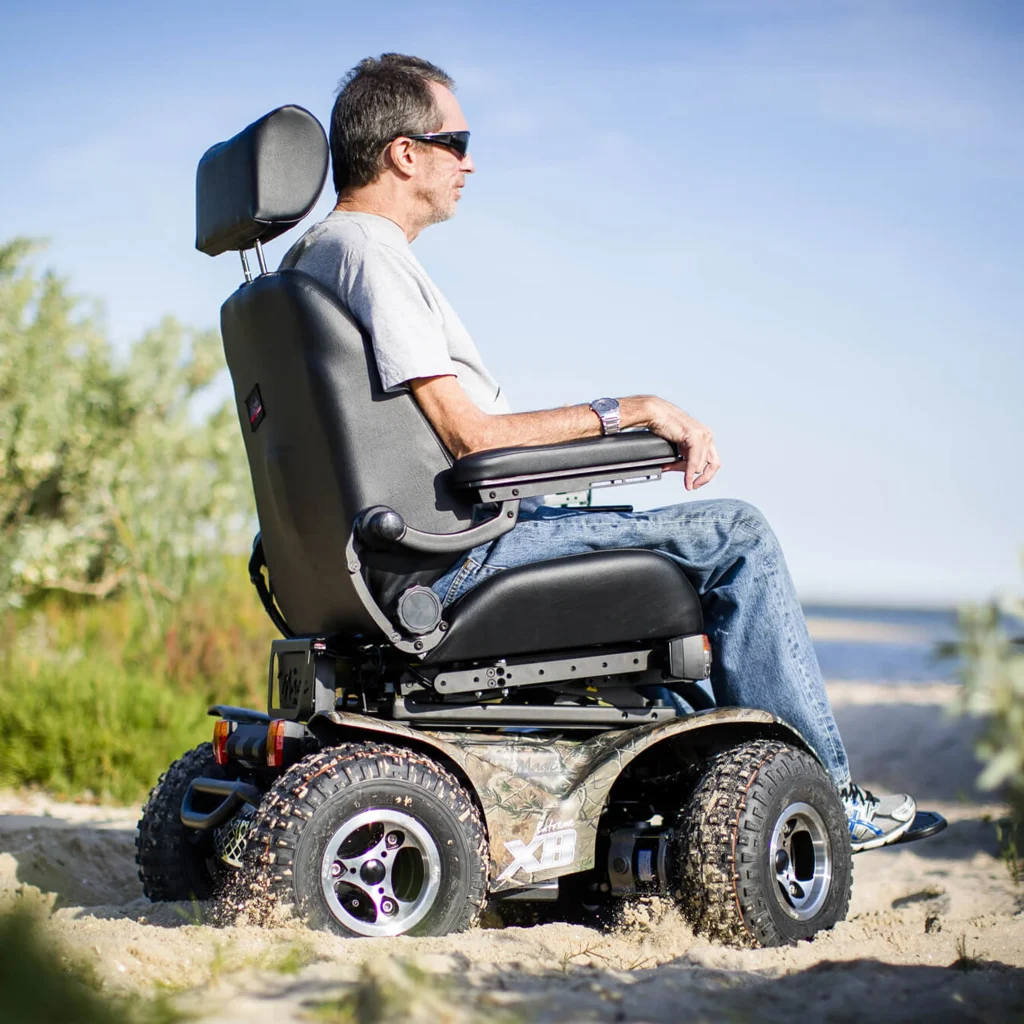
- Facilitating access to specialist equipment such as wheelchairs, pressure relief cushions, and adaptive technology
- Supporting mental health and resilience through counseling and peer networks
- Advising on housing adaptations and community integration
- Liaising with medical teams, insurers, legal representatives, and social services
How We Help
Multidisciplinary Coordination
We act as the central point of contact, ensuring that all care providers and support services work together seamlessly to deliver effective, coordinated care.
Rehabilitation Planning
Tailoring rehabilitation goals and therapy schedules to promote recovery, maximize mobility, and prevent complications.
Equipment and Environmental Adaptations
Facilitating access to appropriate mobility aids, assistive devices, home modifications, and vehicle adaptations.
Emotional and Psychological Support
Connecting clients with trauma-informed counseling, peer support groups, and mental health resources to cope with the challenges of SCI.
Vocational Rehabilitation
Supporting return to work or new career pathways through assessment, training, and workplace adjustments.
Long-Term Care and Monitoring
Providing ongoing case management to adapt to changing needs as clients age or their circumstances evolve.
Pressure Sore Management
Pressure sores (also known as pressure ulcers or bedsores) are a common and serious complication for individuals with SCI due to reduced mobility and sensation. Effective pressure sore prevention and management are vital to maintaining health and quality of life.
Prevention Strategies
We help clients and caregivers implement strategies such as regular repositioning, skin inspections, and the use of pressure-relieving mattresses and cushions.
Early Identification and Treatment
Prompt recognition of skin changes allows for early intervention, preventing progression to more severe ulcers.
Coordination of Wound Care
Our case managers coordinate specialist wound care services, including nurses, dermatologists, and therapists, ensuring appropriate treatment plans are followed.
Education and Support
We provide training and resources to clients and families about pressure sore risks, prevention techniques, and the importance of nutrition and hydration.


Bladder and Bowel Management Coordination
SCI often disrupts normal bladder and bowel function, creating complex challenges that impact comfort, health, and dignity. Effective management requires expert coordination of medical treatments, therapies, and lifestyle adaptations.
Individualised Assessment and Planning
We work with urologists, gastroenterologists, continence nurses, and therapists to develop tailored bladder and bowel management plans.
Access to Treatments and Equipment
Supporting clients to obtain catheters, bowel care supplies, medications, and assistive devices that enhance independence and reduce complications.
Education and Training
Providing clients and caregivers with guidance on hygiene, catheterisation techniques, bowel routines, and recognising signs of infection or complications.
Ongoing Monitoring and Support
Coordinating regular reviews to adapt management plans as needs change, prevent complications such as urinary tract infections or constipation, and maintain quality of life.
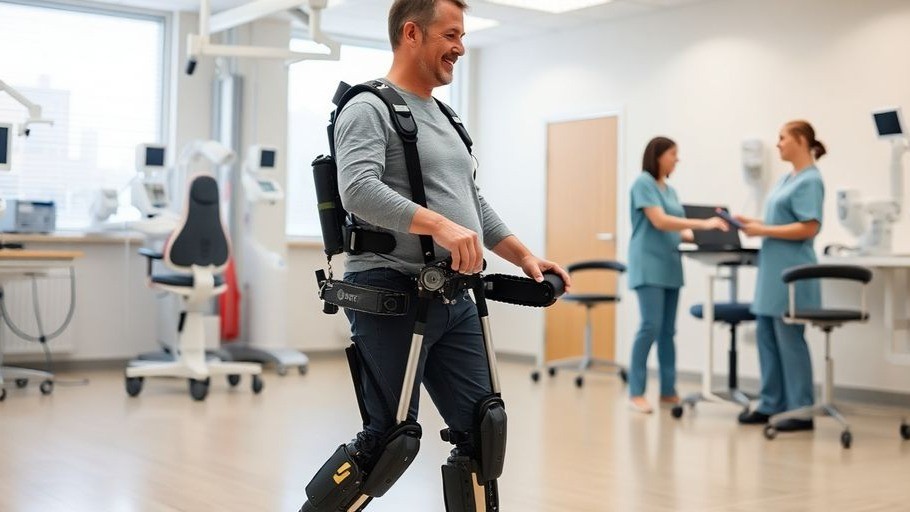
Advanced Rehabilitation Technologies (FES, Exoskeletons)
At the forefront of spinal cord injury rehabilitation are innovative technologies designed to enhance mobility, independence, and quality of life. Summit Case Management helps clients access and integrate these cutting-edge options as part of their rehabilitation plan.
- Functional Electrical Stimulation (FES) FES uses electrical impulses to stimulate paralyzed muscles, enabling movement, improving circulation, reducing muscle atrophy, and enhancing overall function. It can support activities such as cycling, grasping, and walking in some cases.
- Exoskeletons Wearable robotic exoskeletons assist individuals with SCI to stand, walk, and even perform more complex movements. These devices support physical rehabilitation, reduce secondary health risks, and promote social participation.
Our case managers liaise with specialists, equipment providers, and funding bodies to facilitate assessment, training, and acquisition of these technologies, ensuring they are safely and effectively incorporated into each client’s recovery journey.
Why Choose Summit Case Management for SCI?
- Specialist knowledge of spinal cord injury and related conditions
- Experienced, compassionate case managers who understand the physical and emotional challenges
- Strong professional networks with rehabilitation centres, therapists, and support organisations
- Commitment to empowering clients and families through information, choice, and advocacy
Life After Spinal Cord Injury
While spinal cord injury presents significant challenges, with the right support and coordination, many adults achieve fulfilling, independent lives. Summit Case Management is dedicated to helping every client find their best possible path forward — whether that means maximising physical recovery, adapting their environment, or rebuilding social and vocational connections.